Mercedes vs BMW: Top Differences
When considering high-end luxury vehicles, two brands that often stand out are Mercedes-Benz and BMW. Both manufacturers are synonymous with premium quality, performance, and prestige. However, each has its unique characteristics that distinguish them. Let's delve into the differences between these automotive powerhouses, focusing on their histories, designs, performance, and more.
Before we proceed, let's address a common misconception. Both Mercedes-Benz and BMW started as aircraft engine manufacturers. However, their paths diverged, with Mercedes focusing on luxury and BMW emphasizing performance and driving experience. These core values still resonate in their vehicle offerings today.
Brand Heritage and History
The roots of Mercedes-Benz trace back to 1926 with the acquisition of the brand by Daimler-Benz AG. The iconic three-pointed star logo represents Mercedes' commitment to universal mobility on land, water, and air. Today, Mercedes-Benz is identified with opulence, refinement, and groundbreaking technological innovations.


BMW's history is more intertwined with motorsports. Founded in 1916, initially as an aircraft engine manufacturer, BMW ventured into motorcycle production post-World War I. They entered the car market in 1928, establishing themselves as a performance-oriented brand. The Bavarian Motors Works' blue and white roundel logo signifies their motorsports heritage and commitment to performance.
Design Aesthetics
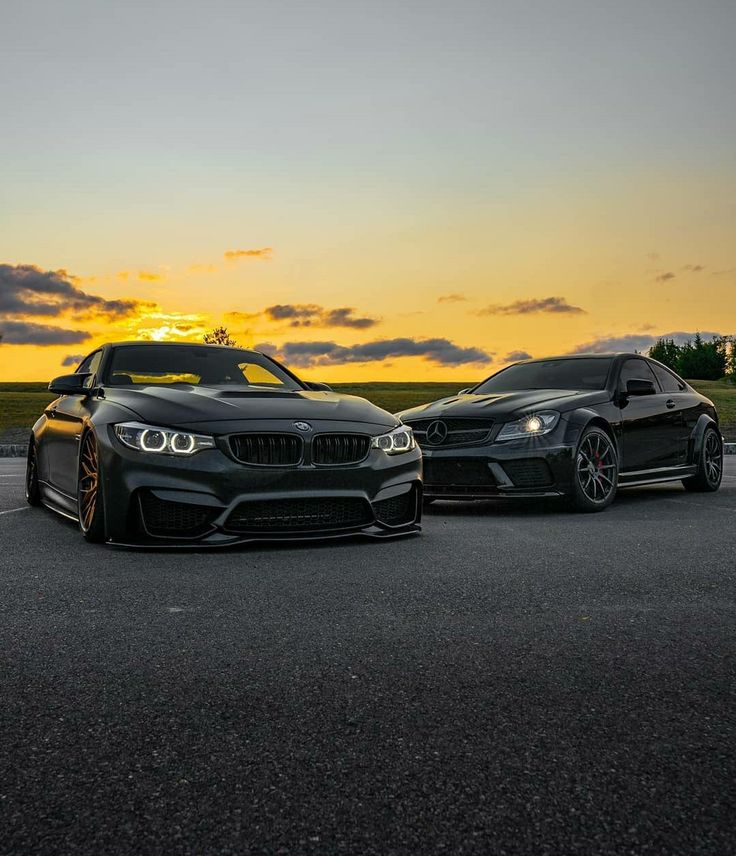
Mercedes-Benz is renowned for its refined, elegant, and often understated design language. The moderniai grille is an iconic feature of Mercedes-Benz vehicles, emphasizing luxury and prestige. Interiors are renowned for their craftsmanship, attentive use of materials, and advanced technological features.


BMW, on the other hand, is recognized for its more dynamic, sporty design cues. The kidney grille, while familiar, is more pronounced and aggressive. Interiors are driver-focused, with clean, intuitive layouts and high-quality materials. BMW's design philosophy, "driving pleasure," is evident in every aspect of their vehicles.
Performance and Driving Experience
Mercedes-Benz offers a mix of comfort and performance. While they produce high-performance vehicles like the AMG models, the emphasis is more on smooth, comfortable rides and innovative technology. Their vehicles come with advanced safety and convenience features, setting industry standards.
BMW, in contrast, is all about the driver experience. From the entry-level 2 Series to the flagship 7 Series, performance is at the core. BMW's handling, steering precision, and engine responsiveness are renowned. They also offer M Performance or M models for those seeking an even more intense driving experience.


Vehicle Range and Models
Mercedes-Benz offers a vast range of models, from compact cars (A-Class, CLA) to luxury sedans (S-Class), SUVs (GLE, GLS), and high-performance AMG models. Their lineup also includes the iconic G-Class, a symbol of luxury and off-road capability.
BMW has a comprehensive range as well, including compact cars (1 Series, 2 Series), sedans (3 Series, 7 Series), SUVs (X5, X7), and performance models (M3, M5). They also produce motorcycles and even bicycles, reflecting their motorsports heritage.
Tech and Innovation
Mercedes-Benz consistently pushes technological boundaries. They were the first to introduce features like attention assist and autonomous emergency braking. The MBUX infotainment system is intuitive and feature-packed. Mercedes-Benz also leads in electric vehicle technology with models like the EQS and EQC.

BMW is not far behind in technological advancements. Their iDrive system is a benchmark in intuitive control systems. They've also invested heavily in electric vehicles, with models like the iX and i4. BMW's connected services provide users with seamless integration of their digital lives into their vehicles.
In conclusion, both Mercedes-Benz and BMW have unique identities, shaped by their histories and core values. Mercedes-Benz represents luxury, refinement, and technological innovation, while BMW embodies driving pleasure, performance, and motorsports heritage. The 'best' brand depends on individual preferences - whether you prioritize comfort and elegance or driving dynamics and sportiness.
Related Articles

2023 BMW vs Mercedes: Key Differences
When it comes to luxury vehicles, two names often rise to the top: BMW and Mercedes-Benz. These iconic brands have left their mark on the automotive industry...

Toyota Kluger GX vs GXL: Key Differences
The Toyota Kluger, a popular SUV in the Toyota lineup, offers two trim levels in the Australian market: the GX and the GXL. Both share similarities but cater...

Unveiling BMW X4 vs X6: The Key Differences You Need to Know
When comparing the BMW X4 and X6, it's essential to understand that both are sporty SUVs, but they cater to different market segments. The X4 is a compact...

The Ultimate Guide: BMW X Models Compared - Key Differences Explained
Ever wondered about the diverse range of BMW X models, their unique features, and what sets them apart? From the compact X1 to the bold X7, each model offers a...

BMW M3 vs M4: Unveiling the Key Differences
The BMW M3 and M4 are iconic sports cars that have captured the hearts of driving enthusiasts worldwide. Both vehicles are powered by high-performance engines...

Toyota Highlander Limited vs XLE: Key Differences
The Toyota Highlander has been a popular SUV for decades, offering a balance of space, comfort, and reliability. When it comes to choosing a Highlander, you'll...